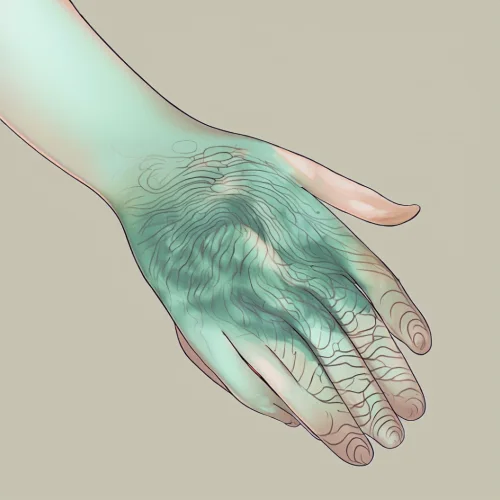
Many people first encounter palmistry through curiosity—perhaps noticing a new line, a shift in skin tone, or an unexpected ridge on their palm. In Chinese tradition, the hand is seen as a living map of one’s life journey, reflecting patterns of energy, habit, and balance over time. When questions arise about health—especially whether palm changes might signal something physical—it’s natural to wonder: can palmistry reveal health issues before they happen? The short answer is no—not as a diagnostic tool—but yes—as a gentle prompt for self-awareness and reflection. Let’s explore what palmistry actually offers, how it’s been understood historically in Chinese practice, and why thoughtful observation of your hands can support holistic well-being—without replacing medical care.
What Palmistry Is—and What It Isn’t
Chinese palmistry (also called “hand reading” or shou xiang) belongs to a broader tradition of observational arts rooted in Daoist and Confucian ideas about harmony, change, and interconnection. Rather than predicting fixed outcomes, it invites reflection: How do lifestyle, emotions, and environment shape our physical expression—including the hands? Lines, mounts, texture, and color are interpreted symbolically, not medically. A deep, clear heart line may suggest emotional resilience; a pale, faint line doesn’t “mean” heart disease—it may reflect fatigue, seasonal shifts, or temporary stress. Importantly, palmistry has never been part of formal Chinese medical diagnosis (which relies on pulse reading, tongue examination, and clinical history). It functions more like journaling or mindful walking—a way to tune in, not a substitute for professional evaluation.
Color, Texture, and Shape: Symbols, Not Symptoms
In Chinese palmistry, subtle variations in the hand are viewed through the lens of qi (vital energy) and the Five Phases (Wood, Fire, Earth, Metal, Water). For example:
- Pinkish-red palms may be associated with warmth and strong circulation—often linked symbolically to Fire phase vitality.
- Pale or yellowish tones might reflect patterns of low energy or digestive imbalance in traditional frameworks—not liver disease, but perhaps prolonged dietary irregularity or disrupted sleep.
- Dry, cracked skin could mirror dehydration or environmental exposure; in symbolic terms, it may echo Earth phase concerns related to nourishment and grounding.
- Sudden ridges or indentations near the base of the thumb (the “Jupiter mount”) aren’t red flags for specific conditions—they may invite reflection on confidence, decision-making habits, or recent life pressures.
None of these observations diagnose illness. Instead, they offer metaphors—invitations to ask: “What’s changed lately? Am I resting enough? Have my routines shifted?” That kind of inquiry supports self-care, but it starts with curiosity—not certainty.
The Dynamic Nature of the Palm
Unlike fingerprints, palm lines and textures aren’t static. Research in dermatoglyphics confirms that ridges and creases can subtly shift over months or years due to aging, injury, hormonal fluctuations, or even repetitive hand use. In Chinese practice, this dynamism is expected—and valued. A line that appears deeper during a period of focused study, or a mount that seems fuller after weeks of joyful activity, reflects lived experience. That’s why experienced readers avoid rigid interpretations. A “broken” life line doesn’t predict shortened lifespan—it may simply mirror a time of transition, recovery, or renewed purpose. The palm tells stories of adaptation, not fate. Recognizing this helps us engage with palmistry gently—honoring change without assigning blame or fear to every variation.
Practical Ways to Use Palm Observation Mindfully
You don’t need special training to begin observing your hands with kindness and attention. Try these grounded, non-diagnostic practices:
- Weekly hand check-ins: Spend two minutes looking at your palms in natural light. Note color, moisture, tension—or simply what feels most present (e.g., “My left palm feels warmer today”). No interpretation needed—just noticing.
- Connect sensation to habit: If you notice dryness, ask: “When did I last hydrate mindfully? Did I wash hands frequently this week?” Link physical cues to daily rhythms—not pathology.
- Compare over time: Take neutral photos monthly (same lighting, same angle). Review them seasonally—not to spot “warnings,” but to appreciate how your hands express your pace of life.
- Pair with other reflections: Jot down one sentence alongside your hand notes: “I slept well this week,” or “I’ve been holding tension in my shoulders.” Patterns emerge in context—not isolation.
These habits cultivate presence. They turn the hand from a “report card” into a quiet companion—one that mirrors effort, rest, and resilience in ways words sometimes can’t.
When to Consult a Healthcare Professional
Any persistent physical change—like unexplained discoloration lasting more than two weeks, sudden swelling, numbness, or pain—deserves attention from a qualified healthcare provider. Similarly, if hand observations trigger anxiety or obsessive checking, consider pausing the practice and speaking with a counselor or trusted friend. Palmistry serves best when it expands compassion, not concern. Your hands hold stories, not verdicts—and your well-being always rests on informed, collaborative care—not palm lines alone.
Ultimately, palmistry in the Chinese tradition is less about foreseeing illness and more about honoring the body’s quiet language. It reminds us that health isn’t just absence of disease—it’s rhythm, responsiveness, and relationship—with ourselves and the world around us. So next time you glance at your palms, pause not to decode warnings, but to acknowledge: *This hand has held what matters. It has rested, reached, created, and cared. What does it need now?*