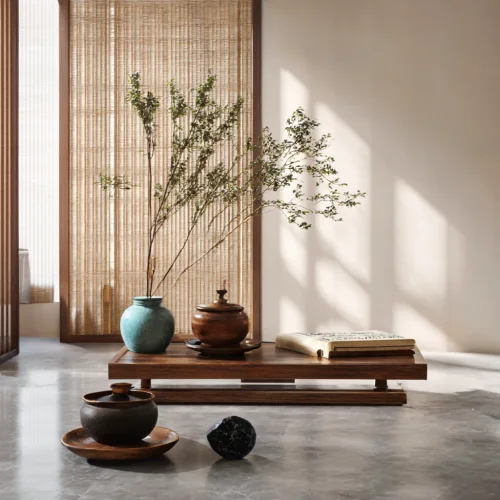
Feng Shui is often described as “the art of living in harmony with your environment.” But when you hear phrases like “activate your wealth corner” or “clear blocked chi,” it’s natural to wonder: Can rearranging furniture—or adding a bamboo plant—really shift the course of your life? The short answer is nuanced: Feng Shui doesn’t rewrite destiny, but it can meaningfully influence how you feel, focus, and move through daily life. Think of it less as magic and more as environmental design rooted in centuries of observation about human behavior, spatial psychology, and cultural symbolism. In this article, we’ll explore what Feng Shui offers—not as fortune-telling, but as a practical, accessible toolkit for shaping spaces that support clarity, calm, and intention.
What Feng Shui Is (and Isn’t)
Originating over 3,000 years ago in China, traditional Feng Shui was developed to help people select auspicious sites for homes, tombs, and villages—balancing natural features like mountains, rivers, and wind patterns. Today’s popular interpretations often simplify or reinterpret these principles, sometimes blending them with wellness trends or interior design aesthetics. Authentic Feng Shui isn’t about rigid formulas (“always place a mirror here”) or universal prescriptions (“this color attracts money”). Instead, it invites mindful attention to flow, proportion, light, and personal resonance. It’s not supernatural—it’s situational. A cluttered desk may not curse you, but it can make focused work harder. A dim, cramped entryway may not drain your luck, but it can subtly signal disorganization or hesitation before stepping into your day.
The Psychology Behind the Practice
Research in environmental psychology supports many core Feng Shui ideas—even if the language differs. Studies show that natural light improves circadian rhythm and mood; uncluttered spaces correlate with lower cortisol levels; and intentional room layouts (e.g., clear sightlines, comfortable seating arrangements) foster better communication and relaxation. When Feng Shui suggests “keeping your bedroom door unobstructed,” it aligns with ergonomic safety and subconscious feelings of security. When it recommends “avoiding sharp corners pointing at your bed,” it echoes design principles about reducing visual stress. In other words, much of what works in Feng Shui works because it reflects how humans actually respond to physical space—not because energy “flows” in measurable waves, but because our bodies and minds are deeply shaped by context.
Practical Adjustments You Can Make—Without Renovating
You don’t need a compass, a Ba Gua map, or a feng shui master to begin. Start with these low-effort, high-impact habits:
- Clear the entryway. Your front door is the “mouth of chi”—a symbolic and literal threshold. Keep it clean, well-lit, and free of shoes, mail piles, or broken items. Even small upgrades—a fresh doormat, a potted plant, or a working light—signal welcome and readiness.
- Optimize your workspace. Position your desk so you face the door (not with your back to it), and avoid sitting directly under overhead beams or in line with a bathroom door. Add a small plant or soft lamp to reduce glare and visual fatigue.
- Refresh your bedroom intentionally. Remove electronics from nightstands when possible, use calming colors and textures, and keep under-bed storage minimal and tidy. Avoid hanging mirrors directly across from the bed—not for mystical reasons, but because reflected light or movement can interrupt rest.
- Let air and light circulate. Open windows regularly, replace burnt-out bulbs, and gently dust ceiling fans. Stale air and shadows don’t carry bad luck—but they do affect alertness and emotional tone.
Timing, Direction, and Personal Fit
Some schools of Feng Shui emphasize timing (e.g., annual flying stars) and direction (e.g., “your best career sector is northwest”). While interesting, these layers require deep study—and even practitioners debate their relevance outside culturally specific contexts. For most people living in apartments, rented homes, or mixed-use neighborhoods, broad directional advice is less useful than observing your own rhythms. Ask yourself: Where do I feel most energized? Where do I procrastinate or feel distracted? Does morning light hit my kitchen table—or does it fall on an unused corner? Use those insights first. If you’re drawn to the southeast area of your home and find yourself naturally spending time there, enhance it thoughtfully—add a small water feature or healthy greenery—not because it “activates wealth,” but because honoring your instinct supports consistency and care.
When Feng Shui Supports Real Change
Feng Shui becomes most powerful when paired with action—not as a substitute for it. Decluttering your office might not land you a promotion, but it could help you prepare a clearer presentation. Rearranging your living room to encourage conversation may not guarantee deeper relationships, but it creates conditions where connection feels easier. Over time, these small, repeated choices build habits of awareness and agency. That’s where real “life change” begins—not in passive expectation, but in active participation with your surroundings. And that kind of engagement is something no ancient text or modern app can give you: it starts with noticing, choosing, and adjusting—one room, one object, one breath at a time.
If you’ve ever felt calmer after opening a window, more focused after clearing your desk, or more grounded after lighting a candle in the evening—you’ve already experienced the quiet power of intentional space. Feng Shui doesn’t promise miracles. But it does offer a compassionate, time-tested lens for asking: How can my environment better reflect who I am—and who I’d like to become?