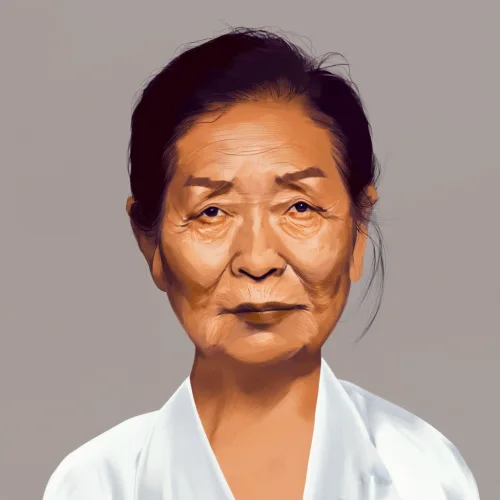
At first glance, face reading—known in Chinese tradition as mian xiang—can seem like fortune-telling dressed in scholarly robes. You might wonder: Can someone really predict your future by looking at your face? The short answer is no—not in the way we often imagine “prediction” to mean. Face reading isn’t about fixed destinies written in cheekbones or eyebrow arches. Instead, it’s a centuries-old interpretive practice rooted in observation, pattern recognition, and cultural symbolism. Think of it less like a crystal ball and more like a thoughtful conversation with your own appearance—one that invites reflection, not resignation.
What Face Reading Actually Is (and Isn’t)
Face reading belongs to the broader tradition of Chinese metaphysics, where external forms are seen as expressions of internal energies and life patterns. In this context, the face is viewed as a dynamic map—not a static blueprint. Practitioners observe proportions, textures, symmetry, color tones, and subtle shifts over time. But crucially, these observations aren’t diagnoses. A prominent nose bridge doesn’t “mean” wealth; rather, in classical texts, it’s associated symbolically with resourcefulness and self-reliance—traits that *may* support financial stability when paired with action and environment. Modern face readers emphasize context: upbringing, choices, health habits, and social conditions all shape outcomes far more than any facial line ever could.
The Symbolic Language of Features
Each area of the face carries symbolic meaning in mian xiang, drawn from Daoist and Confucian ideas about harmony, balance, and life phases. For example:
- Forehead: Linked to early life and learning capacity—not IQ, but openness to knowledge and how one processes new information.
- Eyebrows: Seen as indicators of personal boundaries and emotional resilience—not “how strict you are,” but how consistently you uphold your values amid pressure.
- Eyes: Reflect vitality and relational presence—brightness and focus suggest engagement with life, not guaranteed happiness or success.
- Mouth and lips: Associated with communication style and nourishment—both literal (diet, self-care) and metaphorical (how you “feed” relationships and purpose).
- Chin and jawline: Traditionally tied to later life and perseverance—not lifespan, but how one tends to meet long-term commitments or weather change.
These associations evolved over generations of observation—not clinical study—and remain culturally embedded. They’re best understood as poetic metaphors, not measurable metrics.
Tendencies, Not Timetables
This is where many misunderstandings arise. Face reading describes tendencies—not timelines. A “deep philtrum” (the groove between nose and upper lip) may symbolize depth of feeling or patience in relationships, but it says nothing about *when* or *with whom* love will unfold. Similarly, a “broad forehead” suggests adaptability in youth, not immunity to setbacks. Life remains deeply responsive to choice, circumstance, and growth. Think of facial features like weather patterns: they hint at climate, not daily forecasts. You can’t control the season—but you *can* choose your coat, your route, and whether to plant seeds.
Why People Find It Meaningful
Despite its symbolic nature, face reading resonates across cultures because it encourages self-observation. When someone points out how your smile reaches your eyes—or how tension gathers near your temples—it often mirrors what you already sense but haven’t named. That reflective moment can spark awareness: “Hmm, I *have* been avoiding hard conversations,” or “I *do* feel more energized when I’m creating.” In this light, face reading functions less as prediction and more as a mirror held up with kindness and cultural vocabulary. It’s not about being “read”—it’s about being *seen*, and then choosing how to respond.
Practical Ways to Engage Thoughtfully
If you’re curious about face reading—not as a prophecy tool but as a reflective practice—here are grounded, respectful ways to explore it:
- Observe without judgment. Try noticing how your facial expressions shift during different activities—reading, listening, resting. What do those shifts say about your energy or attention?
- Compare, don’t compare. Look at photos of yourself across years—not to critique appearance, but to notice changes that coincide with life transitions: new roles, deeper friendships, shifts in routine.
- Ask open questions. Instead of “Will I succeed?” try “What strengths do I see reflected here—and how might I nurture them?”
- Seek context. A skilled practitioner won’t isolate one feature. They’ll consider your whole expression, posture, voice, and even how you describe your own experiences.
- Stay grounded in agency. Your face reflects your life—but your life is shaped by your hands, your words, your rest, your boundaries, and your willingness to learn.
Face reading becomes most valuable when it supports self-awareness—not substitutes for it. No line on your face determines your path. But paying gentle, curious attention to how you show up in the world? That’s always within your power—and often the first step toward meaningful change.